21-Point Annual Tune-Up
Garage Door Preventative Maintenance in NYC & Long Island
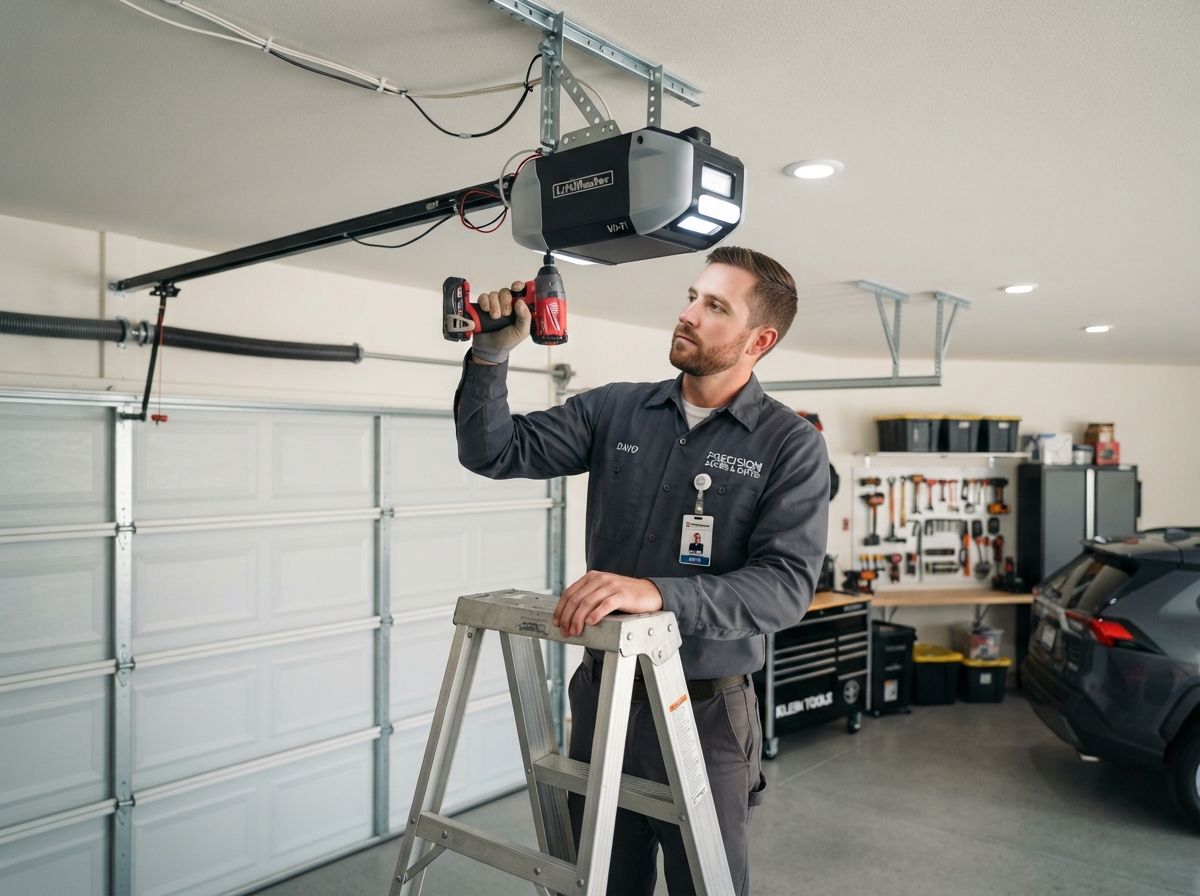
Avoid unexpected breakdowns and expensive emergency repairs with an annual preventative maintenance tune-up. Our 21-point service includes full hardware tightening, spring lubrication, door balancing, and safety sensor testing.
Licensed & Insured• NY Lic #2053509-DCA• Prompt Dispatch
Rapid Local Service
NYC Boroughs, Nassau & Suffolk
Why Choose L&L for Garage Door Preventative Maintenance
- Comprehensive 21-point safety and mechanical inspection
- High-pressure lubrication of springs, bearings, rollers, and hinges
- Door balance and spring tension calibration
- Auto-reverse safety eye testing to protect children and vehicles
- Tightening of all track bolts, brackets, and operator chains
- Extends the lifespan of your door and opener by up to 50%
Signs You Need Garage Door Preventative Maintenance
- Door making unusual squeaks or sluggish movements
- It has been more than 12 months since your last professional service
- Weatherstripping worn allowing cold drafts, leaves, or pests inside
OUR PROCESS
How We Service Your Garage Door
1
21-Point Inspection
We systematically check springs, cables, rollers, pulleys, opener gears, and safety sensors.
2
Tighten & Lube
We torque all track bolts, lubricate high-tension springs/bearings, and adjust chain/belt slack.
3
Safety Test
We test auto-reverse with a block test and align optical safety sensors.
QUESTIONS & ANSWERS
Frequently Asked Questions
SERVICE AREAS
Garage Door Preventative Maintenance Near You
Garage Door Preventative Maintenance service across NYC and Long Island. Select your area below for local service details.
Request Garage Door Preventative Maintenance Service
Fill out the form below for a free quote or to schedule a service visit.