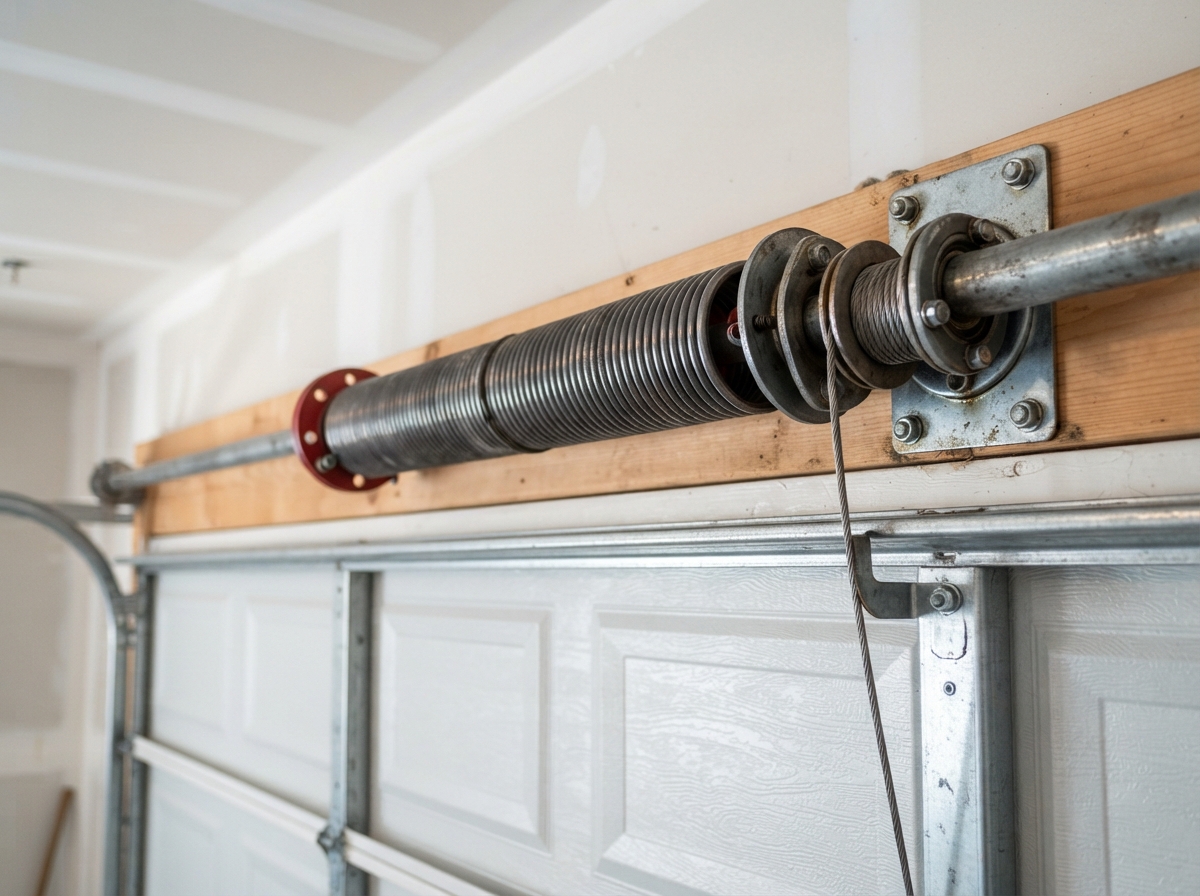
Worn, seized and cracked rollers replaced with quiet nylon units — the single cheapest fix for a loud, rough-running garage door.
Roller Service
Rollers carry the door through the tracks. Most builder-grade doors ship with steel rollers running on exposed bearings — they're loud when new and louder every year after, and when a bearing seizes the roller drags instead of rolls.
A dragging roller chews the track, strains the opener and makes the whole door travel rough. Replacing a full set is one of the least expensive services we do and one of the most noticeable.
Nylon rollers with sealed bearings run dramatically quieter and typically outlast the steel units they replace.
What We Do
Replacement, upgrades and the hardware around them.
Sealed-bearing nylon rollers — significantly quieter than steel and the standard upgrade when a door is being serviced.
All rollers replaced at once. Mixing new and worn rollers leaves the door travelling unevenly.
Heavy commercial and oversized doors still call for steel. We install sealed-bearing versions rather than open-race.
Cracked and elongated hinges cause the same symptoms as bad rollers. Both get checked on the same visit.
The bottom roller sits in the bracket under cable tension — replaced by a technician, never as a DIY job.
Tracks cleaned of debris and the moving hardware lubricated so new rollers don't wear early.
Free Estimates
A full roller set is one of the least expensive services we offer — and the difference is immediate.
(718) 721-2518Comparison
Most residential doors carry 10–12 rollers. Nylon units are typically rated around 10,000 cycles — roughly 10–13 years — while heavy-duty steel rollers can run far longer but louder.
Bearing count matters as much as material: a roller with no ball bearings wears out quickly, while multi-bearing units last several times longer.
Near the water and on salted streets, look for zinc- or stainless-plated rollers. Corrosion is what kills them first in this climate.
Risk
A seized roller can pull the door off its tracks — a heavy door coming down unexpectedly is the worst-case outcome.
Before that, it puts constant strain on the whole system: openers burn out and cables snap, turning an inexpensive roller job into a system-wide repair.
Lubricating rollers and tracks every three months meaningfully extends their life.
Warning: the bottom rollers are held by brackets under full cable tension. Never remove one yourself.
FAQs
Nylon rollers are typically rated around 10,000 cycles — roughly 10–13 years of normal use. Heavy-duty steel rollers can go considerably longer. Bearing count, salt exposure, how often you use the door and whether it's lubricated all shift that number.
Most residential doors have 10–12, depending on door height. They're replaced as a full set.
Noticeably. On doors still running original steel rollers, a nylon set is usually the biggest single noise reduction available short of replacing the opener.
Yes. They wear together, and a mix of new and worn rollers makes the door travel unevenly.
The intermediate rollers are relatively straightforward, but the bottom rollers sit under cable tension and are dangerous to remove. We handle the full set.
It's among the least expensive garage door services. We quote the installed price for the full set up front.
Next Step
Roller replacement and nylon upgrades across NYC, Nassau and Suffolk. Free estimates.